
Verify the download source
Follow a safe sequence: verify the source, install carefully, create or import a wallet, and secure a backup before moving assets.
Open the checklist ↗🔐 SELF-CUSTODY · WITH CLARITY
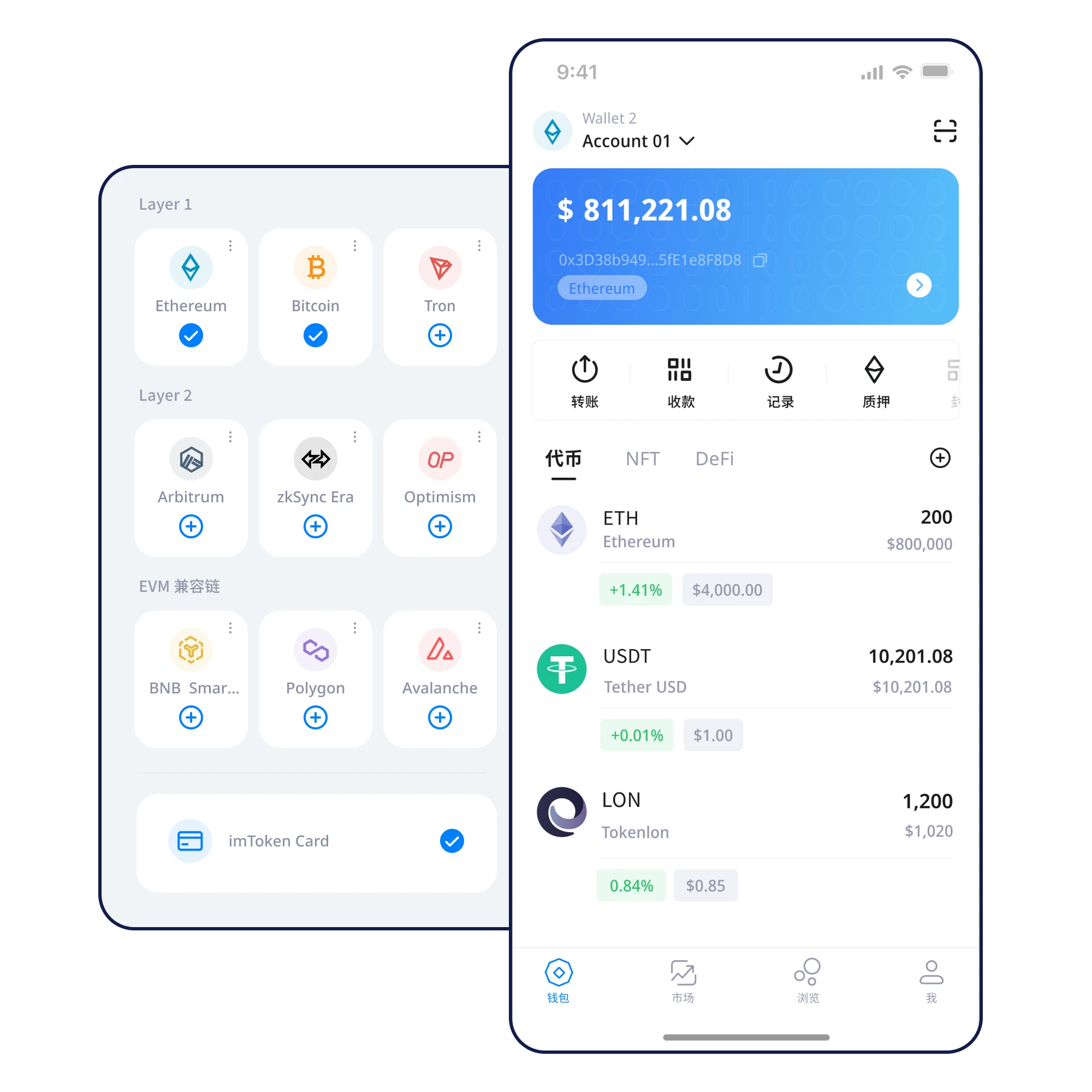
Built around self-custody principles, with a clear asset overview, network checks and guidance that helps you make informed decisions before every action.
01 / PRODUCT EXPERIENCE
A balance is only the starting point. Network, token and transaction details deserve equal attention. A structured view can make those checks easier.
02 / GETTING STARTED
Keep the process deliberate: verify the source, create safely, back up carefully and check the details before you send.
Follow a safe sequence: verify the source, install carefully, create or import a wallet, and secure a backup before moving assets.
Open the checklist ↗Start with a trusted device and a private setting, and decide how you will store your recovery phrase before creating a wallet.
Open the checklist ↗Your recovery phrase can restore access to wallet keys. Record it accurately and store it away from online services.
Open the checklist ↗Restore only through a trusted wallet workflow. Never enter a recovery phrase in a chat, form or unsolicited support link.
Open the checklist ↗An asset name alone is not enough. Check the network, token contract and source of displayed balances.
Open the checklist ↗Before transferring, independently verify the network, recipient, amount and fees. On-chain transfers are usually irreversible.
Open the checklist ↗03 / CORE PRINCIPLE
Understanding how keys are generated, held and used helps distinguish local responsibility from risks introduced by external services.
04 / CORE PRINCIPLE
Your recovery phrase can restore access to wallet keys. Record it accurately and store it away from online services.
05 / CORE PRINCIPLE
Before transferring, independently verify the network, recipient, amount and fees. On-chain transfers are usually irreversible.
06 / SECURITY PRINCIPLES
Understand who controls the keys and backup.
Inspect the network, recipient, amount and approvals.
Check that your backup is complete before you need it.
07 / CHAPTER DIRECTORY
A structured path through the questions that matter when setting up, managing and recovering a wallet.
08 / EVERYDAY SCENARIOS
An asset name alone is not enough. Check the network, token contract and source of displayed balances.
 ↗02 / SCENARIO
Before transferring, independently verify the network, recipient, amount and fees. On-chain transfers are usually irreversible.
↗03 / SCENARIOCheck your backup first, restore on the new device and verify addresses before decommissioning the old device.
↗04 / SCENARIOPhishing sites can imitate familiar interfaces and pressure you into revealing credentials or approving suspicious transactions.
↗09 / RISK AWARENESS
10 / FAQ
A few essential answers before you make your next wallet decision.
Browse all questions →Self-custody means control depends on your private credentials. Confirm the actual software’s custody model before using it.
Network access is commonly needed to inspect balances and broadcast transactions; offline key storage is a separate concept.
Record every word in order and keep it in a private, durable offline location. Avoid screenshots and cloud notes.
A private key authorizes transactions for an address; a recovery phrase commonly derives multiple private keys.
Verify the source, protect your recovery phrase and check the network, recipient and amount before every transfer.
⬇ Download Now